Types of mobile marketing
Published: 17 Jan 2026
Are you struggling to reach more customers on mobile? Many businesses face this problem every day. They need ways to connect with their audience quickly.
The solution is the types of mobile marketing. Each type helps in a different way. Some types send text messages, others show ads in apps, and some use social media. Understanding these types saves time and increases sales. If you want to learn more, visit our guide on the pros and cons of mobile marketing.
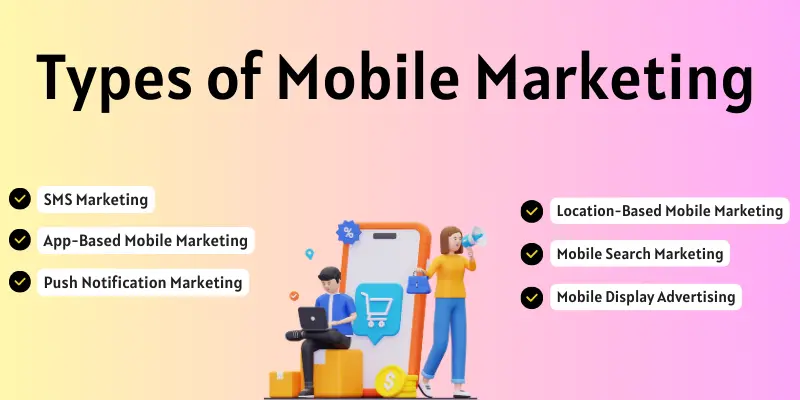
10 types of mobile marketing
Mobile marketing is a way businesses reach people on their mobile phones. There are many strategies they use to connect with customers effectively. Here are some different types of mobile marketing.
- SMS Marketing
- App-Based Mobile Marketing
- Push Notification Marketing
- Mobile Social Media Marketing
- Location-Based Mobile Marketing
- Mobile Search Marketing
- Mobile Display Advertising
- QR Code Marketing
- Mobile Email Marketing
- In-Game Mobile Marketing
1. SMS Marketing
SMS marketing is the practice of sending short messages to customers on their mobile phones. It is one of the oldest and simplest ways to reach people. Businesses use it to quickly share updates, offers, and alerts.
For example, a shop can send a text about a new discount. Banks also send OTPs or important alerts through SMS. It works instantly and reaches almost everyone.
The main benefit of SMS Marketing is its speed and directness. People usually read messages immediately. That’s why many small and big businesses love using it.
2. App-Based Mobile Marketing
App-Based Mobile Marketing means using mobile apps to reach customers. Businesses show ads or messages inside apps. It is very popular because people spend a lot of time on apps.
For example, a shopping app can show a banner about a sale. A food delivery app can send notifications about new discounts. It helps businesses connect directly with users.
The main benefit of App-Based Mobile Marketing is its interactivity and targeting. Businesses can reach the right users at the right time. That’s why many companies prefer using apps for marketing.
3. Push Notification Marketing
Push Notification Marketing is the practice of sending short alerts to customers through apps. These notifications appear on the mobile screen even if the app is not open. Businesses use them to quickly share updates, offers, or reminders.
For example, a shopping app can notify users about a flash sale. A news app can send breaking news alerts. It helps businesses stay connected with their users in real time.
The main benefit of Push Notification Marketing is that it is fast and grabs attention immediately. Users see it right away, making it very effective. That’s why many apps use push notifications to engage customers.
4. Mobile Social Media Marketing
Mobile Social Media Marketing promotes businesses on social media apps. People use apps like Facebook, Instagram, TikTok, and WhatsApp on their phones. Businesses use these apps to share posts, ads, and videos with their audience.
For example, a clothing brand can post new arrivals on Instagram. A food delivery service can run ads on Facebook. It helps businesses reach a large audience quickly.
The main benefit of Mobile Social Media Marketing is that it can reach many users and create engagement. People can like, comment, and share posts. That’s why social media is so popular for mobile marketing.
5. Location-Based Mobile Marketing
Location-based mobile marketing is the practice of sending offers or messages to customers based on their location. Businesses use GPS or location tracking to reach people nearby. It helps them give relevant deals at the right place.
For example, a coffee shop can send a discount message to people near the store. A retail store can notify users of a nearby sale. This way, businesses attract local customers instantly.
The main benefit of Location-Based Mobile Marketing is that it reaches the right people at the right time. Customers get offers that are useful to them. That’s why many businesses love using location-based marketing.
6. Mobile Search Marketing
In Mobile Search Marketing, appearing in search results on mobile phones. People use Google or other search engines to find information. Businesses optimize their websites and ads to appear in these searches.
For example, a pizza shop can appear when someone searches “best pizza near me.” An online store can show ads when people search for “buy shoes online.” It helps businesses get noticed by people who are looking for their products.
The main benefit of Mobile Search Marketing is that it reaches customers who are already interested. It brings more clicks and potential sales. That’s why search marketing is very effective on mobile.
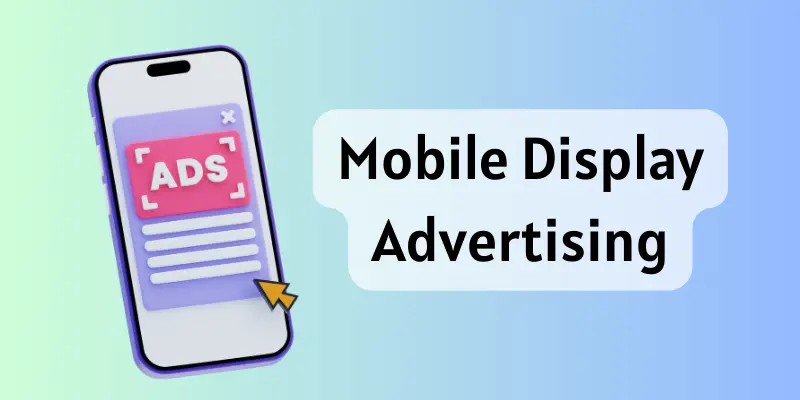
7. Mobile Display Advertising
Mobile Display Advertising is the display of visual ads on mobile apps or websites. These can be banners, videos, or images. Businesses use them to attract attention and promote products quickly.
For example, a travel company can show a banner ad about cheap flights. An online store can display a video ad about new arrivals. Display ads help businesses reach many people while they use apps or browse the web.
The main benefit of Mobile Display Advertising is its visual, eye-catching nature. It helps users notice products quickly. That’s why many businesses use mobile display ads.
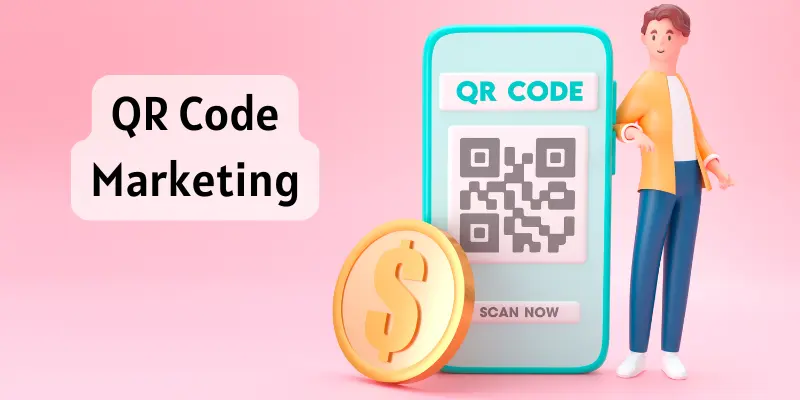
8. QR Code Marketing
QR Code Marketing is the use of special codes that customers can scan with their phones. When scanned, the code can display a website, an app, or a special offer. Businesses use QR codes to provide quick, easy access to information.
For example, a restaurant can put a QR code on its menu for online ordering. A store can use a QR code to show discounts or product details. It makes it simple for customers to connect with the business instantly.
The main benefit of QR Code Marketing is its quick, easy use. Customers just scan the code to get information. That’s why many businesses use QR codes to reach their audience.
9. Mobile Email Marketing
Mobile Email Marketing means sending emails that people can read on their phones. Businesses use it to quickly share updates, offers, or news. Most people check their emails on mobile devices today.
For example, an online store can send a newsletter about new products. A travel company can send emails with special deals. It helps businesses reach customers anytime and anywhere.
The main benefit of Mobile Email Marketing is its personal, direct nature. Customers can read emails at their convenience. That’s why many businesses prefer mobile-friendly emails.
10. In-Game Mobile Marketing
In-Game Mobile Marketing refers to showing ads within mobile games. Businesses use it to reach players while they are playing. It is a fun and interactive way to promote products.
For example, a gaming app can show a banner ad for a new snack. Another game can give rewards for watching a short video ad. It helps businesses connect with users in an engaging way.
The main benefit of In-Game Mobile Marketing is that it captures attention while people are enjoying the game. Players notice the ads without feeling interrupted. That’s why many companies use in-game marketing on mobile.
Conclusion
So, friends, we are almost done. In this post, we covered the Types of Mobile Marketing in detail. From SMS and app-based marketing to social media and in-game ads, each type can help your business reach the right audience. I personally recommend starting with SMS and social media marketing if you are new, because they are simple and effective. Try these strategies today and see how they can grow your business.
FAQs about Mobile Marketing types
The main types include SMS marketing, app-based marketing, push notifications, social media, location-based marketing, email marketing, display ads, QR codes, and in-game marketing. Each type works in a different way to reach customers. Choosing the right type depends on your business needs.
SMS marketing sends short messages to customers’ phones. Shops can share discounts or new products, and banks can send OTPs. It is fast, simple, and reaches almost everyone immediately.
App-based marketing uses mobile apps to show ads or notifications. Businesses reach users while they are using apps. It is interactive and helps target the right audience.
Push notifications send alerts directly to a user’s mobile screen. It grabs attention instantly, even if the app is not open. Many businesses use it to share offers, updates, or reminders.
Yes! Mobile marketing is great for small businesses. SMS, social media, and app ads are simple and cost-effective ways to reach customers.
It is fast, direct, and reaches people on devices they use daily. Businesses can easily target the right audience. It also helps increase engagement and sales.
Yes, it can annoy users if overused. Some types need customer permission or data. Also, messages or ads are short, so they cannot show detailed information.

- Be Respectful
- Stay Relevant
- Stay Positive
- True Feedback
- Encourage Discussion
- Avoid Spamming
- No Fake News
- Don't Copy-Paste
- No Personal Attacks
- Be Respectful
- Stay Relevant
- Stay Positive
- True Feedback
- Encourage Discussion
- Avoid Spamming
- No Fake News
- Don't Copy-Paste
- No Personal Attacks
