Branding in Marketing – A Quick Overview
Published: 02 Dec 2025
Branding plays a big role in how people see and trust a business. Studies show that customers are more likely to choose a brand they recognize, even if other options are cheaper. This is why many beginners want to understand what branding is in marketing and how it helps a business stand out. Simply put, branding is the way a business creates its identity so people can easily remember it. If you learn more, visit our guide difference between branding and marketing.
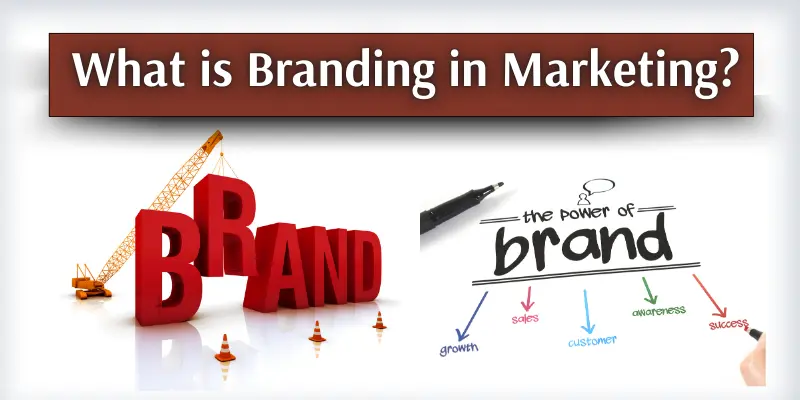
What is branding in marketing
It is the process of giving a business a unique identity that people can easily recognize. Branding helps a company clearly convey its personality, values, and style. It uses simple tools like a logo, colors, and a message to make the brand stand out. When people see the same look and message again and again, they start to trust and remember the business.
Why Is Branding Important in Marketing?
Branding helps a business stand out in a crowded market. It builds trust and makes customers remember the company.
Importance of Branding in Marketing:
- Builds Recognition: People easily recognize your brand.
- Creates Trust: Customers trust consistent and professional brands.
- Encourages Loyalty: Strong branding keeps customers coming back.
- Supports Marketing Efforts: Branding makes advertising more effective.
- Adds Value: A well-known brand can charge more for its products or services.
- Differentiates From Competitors: Branding shows what makes your business unique.
Types of Branding in Marketing
Branding can take many forms: each helps a business express its identity in a unique way. Here are some types of branding.
1. Product Branding: Branding for a specific product to make it stand out.
2. Personal Branding: Branding a person, like an expert or celebrity.
3. Corporate Branding: Branding the whole company, not just one product.
4. Service Branding: Branding a service to make it look trustworthy.
5. Digital Branding: Branding a business online through websites and social media.
6. Co-Branding: Two brands work together to create a product or service.
7. Retail Branding: Branding a store or shop to attract more customers.
Elements of Branding
A brand uses different elements: these make it easy to recognize and remember.
1. Logo: A simple picture or symbol that shows the brand.
2. Colors: Special colors that make the brand look unique.
3. Tagline: A short sentence that tells what the brand is about.
4. Brand Voice: The way a brand talks to its customers.
5. Brand Story: The story that explains why the brand exists.
6. Brand Personality: The style and feelings the brand gives to people.
Examples of Branding in Marketing
Many brands use strong branding to become popular. Here are some simple examples:
1. Apple: Uses a clean logo, special colors, and simple messages.
2. Coca-Cola: Uses a red color theme, unique font, and a happy feeling.
3. Nike: Uses a simple swoosh logo and the “Just Do It” tagline.
4. McDonald’s: Uses golden arches, red color, and fun for families.
5. Starbucks: Uses a green logo, consistent style, and a cozy feeling.
These examples show how branding makes a business easy to remember and trusted.
Brand Positioning in Marketing
Brand positioning shows how a business is different from others. It helps customers understand why they should choose this brand. Businesses use different ways to position their brand:
- Price: Show the brand is affordable or premium.
- Quality: Show that the brand gives the best products or services.
- Style: Show the brand has a unique look or feeling.
- Special Features: Highlight what makes the brand unique
- Target Customers: Focus on the people who will like the brand most.
- Customer Experience: Show how using the brand feels better than others.
Good positioning makes a brand easy to remember, trusted, and liked by the right people.
Advantages and Disadvantages of Branding in Marketing
Branding has many benefits for a business, but it also comes with some challenges. A strong brand can grow faster, but a weak or inconsistent brand can create problems.
| Advantages |
|---|
|
| Disadvantages: |
|---|
|
Conclusion
So, guys, it’s time to wrap up! In this guide, we have covered Branding in Marketing in detail. My personal recommendation is to start by creating a simple logo and message for your brand. Focus on being consistent and clear in everything you do. If you want your business to grow and be remembered, start building your brand today!
FAQs about Branding in Marketing
Consistent branding shows professionalism and reliability. When customers see the same logo, colors, and messages, they trust the business more. Trust leads to repeat purchases and loyalty.
Marketing promotes products or services to attract customers. Branding creates a long-term identity that people recognize and trust. Branding supports marketing but focuses on the brand itself.
Yes! Even small businesses can use branding to look professional. It helps customers remember the business and choose it over competitors. Strong branding can help small businesses grow faster.
Brand positioning shows how a business is different from others. It tells customers why they should choose this brand. Good positioning attracts the right audience and builds trust.
Building a strong brand takes time and consistent effort. It may take months or years, depending on the size of the business. Regular branding activities help customers remember and trust the brand.
Some common mistakes include inconsistent messaging, unclear identity, ignoring the customer experience, and copying competitors. These mistakes can confuse customers. Avoiding them helps create a strong, trusted brand.
Start with a simple logo, colors, and a clear message. Be consistent in all marketing and communication. Focus on creating trust and a memorable identity for your customers.

- Be Respectful
- Stay Relevant
- Stay Positive
- True Feedback
- Encourage Discussion
- Avoid Spamming
- No Fake News
- Don't Copy-Paste
- No Personal Attacks
- Be Respectful
- Stay Relevant
- Stay Positive
- True Feedback
- Encourage Discussion
- Avoid Spamming
- No Fake News
- Don't Copy-Paste
- No Personal Attacks
