Persuasive Marketing Guide: How It Works & Why It Matters
Published: 04 Mar 2026
Studies show that most customers do not buy a product only because of its features. They buy because they feel connected to a brand. This is where persuasive marketing plays an important role.
If you are wondering what persuasive marketing is, it is a strategy that influences people’s decisions by using emotions, psychology, and strong messaging. Businesses use it to guide customers toward taking action, such as making a purchase or signing up for a service.
What is persuasive marketing?
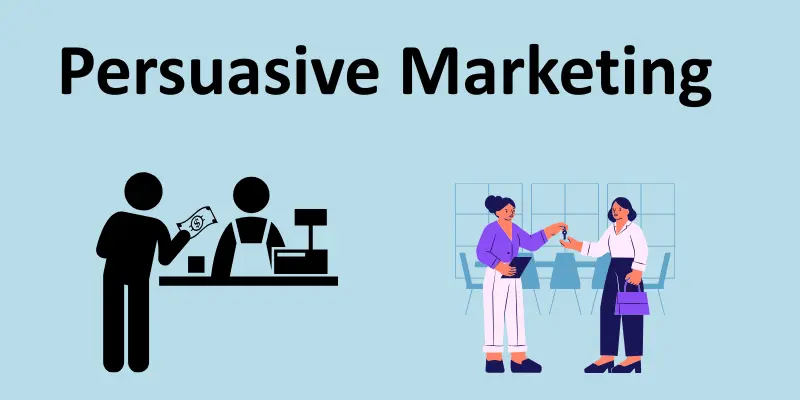
Persuasive marketing is a type of marketing that tries to convince people to buy a product or service. It uses emotions, trust, logic, and strong messages to influence customer decisions. Instead of just providing information, persuasive marketing focuses on changing the customer’s thinking and encouraging them to take action, such as making a purchase or signing up.
Why Persuasive Marketing Is Important
Persuasive marketing helps businesses convince customers to take action. It makes customers feel confident and connected to a brand.
- Builds trust with customers
- Increases sales and conversions
- Creates an emotional connection with the audience
- Makes products or services more appealing
- Helps businesses stand out from competitors
How Persuasive Marketing Works
Persuasive marketing works by understanding what customers want and showing them how a product or service can help. It uses emotions, trust, and clear messages to influence decisions. Businesses carefully plan their words, images, and offers to guide customers toward taking action, like buying or signing up.
Steps of How Persuasive Marketing Works:
- Understand the Audience: Learn what customers need and want.
- Identify Pain Points: Find the problems customers face.
- Create Emotional Appeal: Show how the product solves their problem and makes them feel good.
- Provide a Clear Solution: Explain clearly why the product or service is the best choice.
- Add a Strong Call to Action (CTA): Encourage customers to take the next step, like “Buy Now” or “Sign Up.”
Key Elements of Persuasive Marketing
Persuasive marketing works best when it uses certain key elements. These elements help businesses convince customers and make them take action.
1. Emotional Triggers
Emotions make people act. Good marketing shows feelings like happiness, fear, or excitement. When customers feel something, they are more likely to buy.
2. Social Proof
People trust what others like. Reviews, testimonials, or the number of users show that a product is good. This makes new customers feel safe to choose it.
3. Authority
Customers trust experts or famous brands. Showing authority or expertise makes people believe in your product. This builds confidence and trust.
4. Scarcity
People want things that are rare or limited. Marketing that shows limited stock or time makes customers act quickly.
5. Reciprocity
When you give something first, people feel like giving back. Free trials, gifts, or tips make customers more willing to buy.
Types of Persuasive Marketing
Persuasive marketing can use different styles to convince customers. Each type works in a special way to attract attention and encourage action.
1. Emotional Marketing
This type focuses on feelings. It shows happiness, fear, excitement, or love to connect with customers. Emotions make people remember the product and act faster.
2. Logical Marketing
This type uses facts, numbers, or clear reasons. It explains why a product is useful and better than others. Logical marketing helps customers make smart decisions.
3. Fear-Based Marketing
This type shows what could go wrong without a product. It creates urgency and prompts customers to act quickly. But it must be honest and not fake.
4. Storytelling Marketing
This type tells a story about the product or brand. Stories are easy to remember and help customers connect emotionally. It makes marketing more interesting and engaging.
5. Influencer Marketing
This type uses popular people or experts to promote a product. Customers trust recommendations from people they like or follow. Influencers make products more believable.
Ethical Concerns in Persuasive Marketing
Persuasive marketing is powerful, but it must be used carefully. Businesses should influence customers honestly and fairly.
Main Ethical Concerns:
- Avoid Manipulation: Marketing should not trick or deceive customers.
- Be Honest: Always show the real benefits of your product.
- Transparency: Clearly share terms, prices, and offers.
- Respect Privacy: Do not misuse customer information.
- Build Long-Term Trust: Focus on helping customers, not just quick sales.
Advantages and Disadvantages of Persuasive Marketing
Persuasive marketing can help businesses convince customers and increase sales. But if it is not used carefully, it can also cause problems.
| Advantages |
|---|
|
| Disadvantages |
|---|
|
Conclusion
So guys, it’s time to finish up! In this article, we’ve covered Persuasive Marketing in detail. I personally recommend that every business focus on understanding its customers and using honest, persuasive techniques. Start applying these strategies today and see how they improve your sales and customer trust!
FAQs about Persuasive Marketing
Persuasive marketing works by showing how a product or service can solve problems. It uses emotions and clear messages to make people interested. This helps customers decide faster.
It is effective when it connects with people’s feelings and shows real benefits. Using proof like reviews or numbers helps. Clear instructions on what to do next also improve results.
No, any business can use it, even small shops. It works by understanding the audience and solving their problems. Simple strategies can create strong results.
Social proof is showing that others like or use a product. Examples are customer reviews, ratings, or testimonials. It makes new customers feel safe to choose the product.
A call to action tells customers what to do next, like “Buy Now” or “Sign Up.” It guides people to act quickly. Without it, persuasive marketing loses power.
Nike uses emotions in its ads, like motivation and success. Their messages make people feel inspired to buy. This shows how persuasive marketing can connect with feelings.
Apple shows authority and quality in its products. People trust Apple because it is a well-known brand. Persuasive marketing helps them convince customers to buy even expensive items.
Coca-Cola uses happiness and friendship in its ads. It creates an emotional connection with people. This makes customers remember the brand and buy more.

- Be Respectful
- Stay Relevant
- Stay Positive
- True Feedback
- Encourage Discussion
- Avoid Spamming
- No Fake News
- Don't Copy-Paste
- No Personal Attacks
- Be Respectful
- Stay Relevant
- Stay Positive
- True Feedback
- Encourage Discussion
- Avoid Spamming
- No Fake News
- Don't Copy-Paste
- No Personal Attacks
